



Yoga, an ancient practice originating in India, offers a holistic approach to well-being that nurtures both the mind and body. Beyond physical postures, yoga incorporates breathwork, meditation, and mindfulness techniques that profoundly impact mental health. A growing body of research, including the study published in the International Journal of Yoga, reveals the efficacy of yoga in managing stress, anxiety, depression, and other mental health conditions.
The mental health benefits of yoga extend far beyond the mat, promoting emotional regulation, resilience, and a deeper connection to oneself. With numerous studios and classes available throughout Toronto, yoga is accessible to individuals of all ages and fitness levels, making it an ideal tool for enhancing mental wellness in the bustling city.
Mindfulness and Meditation in Yoga
Central to yoga’s impact on mental health is the integration of mindfulness and meditation. Mindfulness involves cultivating present-moment awareness without judgment, allowing individuals to observe their thoughts and emotions without becoming entangled in them. Meditation involves focusing the mind and directing attention inward, fostering a state of deep relaxation and inner peace. These practices, often interwoven into yoga sessions, promote relaxation, reduce rumination, and enhance emotional regulation. By anchoring the mind in the present, yoga empowers individuals to detach from stressors and cultivate a sense of calm amidst the chaos of daily life.
How Yoga Benefits Mental Health
Yoga’s positive effects on mental health are multifaceted and far-reaching:
- Stress Reduction: Yoga activates the parasympathetic nervous system, responsible for the body’s relaxation response. This counteracts the effects of chronic stress, promoting relaxation and reducing anxiety. Studies have shown that regular yoga practice can significantly lower cortisol levels, the stress hormone, leading to a calmer and more balanced state of mind.
- Improved Mood: Yoga stimulates the release of endorphins, natural mood boosters that alleviate symptoms of depression and anxiety. Regular practice enhances overall mood and well-being, promoting a more positive outlook on life.
- Enhanced Emotional Regulation: Mindfulness and meditation techniques in yoga cultivate emotional awareness and acceptance, empowering individuals to manage their emotions more effectively. By learning to observe emotions without judgment, individuals gain greater control over their reactions and develop healthier coping mechanisms.
- Increased Resilience: Yoga builds resilience by equipping individuals with tools to navigate challenges with greater equanimity. Regular practice fosters a sense of inner strength and stability, allowing individuals to bounce back from adversity with greater ease and grace.
- Reduced Anxiety and Depression: Studies conducted by the University of Toronto have shown yoga’s effectiveness in reducing symptoms of anxiety and depression, often comparable to traditional therapies. The combination of physical movement, breathwork, and mindfulness creates a powerful antidote to the negative thought patterns and emotional distress associated with these conditions.
- Improved Sleep Quality: Yoga promotes relaxation and reduces stress, contributing to improved sleep quality and overall well-being. The practice of yoga nidra, a guided relaxation technique, has been shown to be particularly effective in promoting deep and restful sleep.
- Increased Self-Awareness: Through mindful movement and introspection, yoga enhances self-awareness, fostering a deeper understanding of one’s thoughts, emotions, and behaviours. This heightened self-awareness can lead to greater self-acceptance, improved decision-making, and healthier relationships.
- Boosted Self-Esteem: Yoga emphasizes self-acceptance and body positivity, promoting a healthier relationship with oneself and boosting self-esteem. By focusing on the present moment and cultivating a sense of gratitude for the body’s abilities, individuals can overcome negative self-talk and develop a more positive self-image.
Types of Yoga for Mental Health
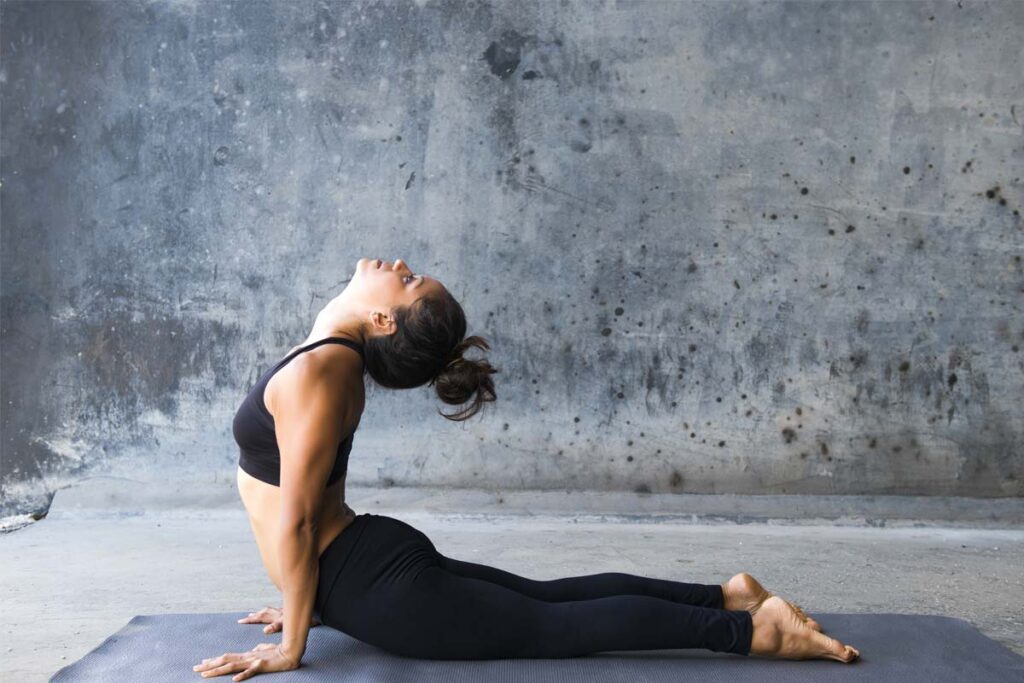
- Hatha Yoga: This gentle practice combines physical postures with breath control exercises, promoting deep relaxation and stress reduction through mindful movement and breathing.
- Vinyasa Yoga: This dynamic style connects breath with movement in a flowing sequence of postures. It cultivates focus, mindfulness, and strength as practitioners transition smoothly from one pose to the next.
- Restorative Yoga: This deeply relaxing practice involves holding supported poses for extended periods. It encourages stress and anxiety relief by activating the parasympathetic nervous system, promoting deep rest and rejuvenation.
- Yin Yoga: This slow-paced practice involves holding passive stretches for several minutes to target deep connective tissues. It promotes relaxation, flexibility, and the release of tension held within the body.
- Kundalini Yoga: This energetic practice combines physical postures, breathwork, chanting, and meditation to awaken dormant energy and promote spiritual growth. It aims to balance the body’s energy centres and elevate consciousness.
Getting Started with Yoga
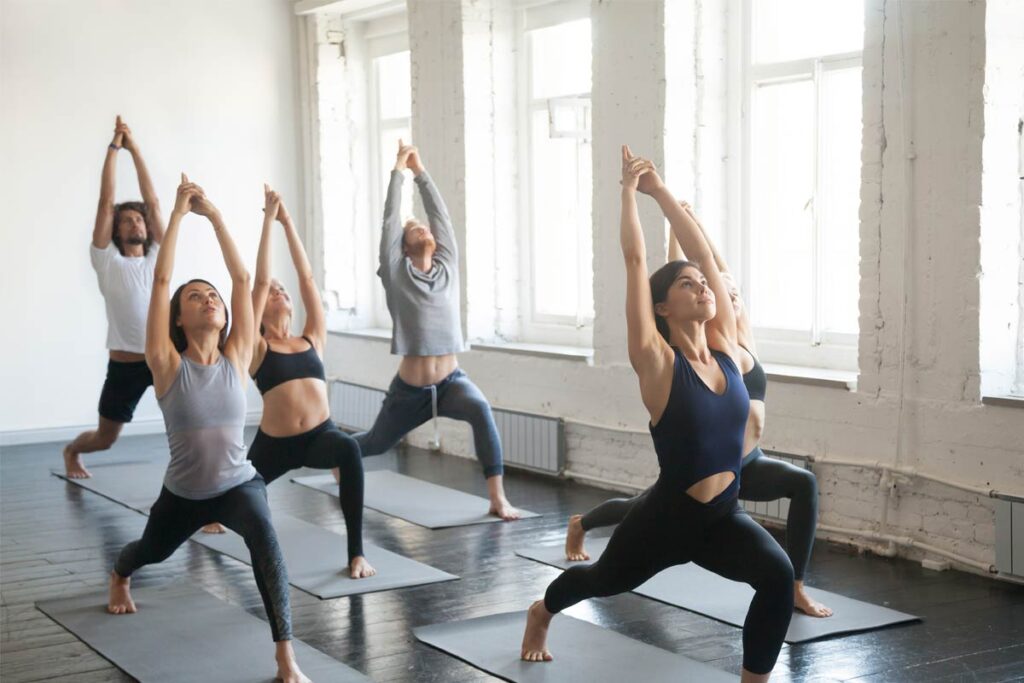
Starting a yoga journey is simple and rewarding:
- Find a Style: Explore a range of yoga techniques, such as the soothing flow of Hatha, the energizing tempo of Vinyasa, or the meditative quiet of Yin. Each style has its own set of rewards and challenges, so don’t be afraid to try several ones until you discover one that works for your body and soul.
- Choose a Class: Look for yoga classes specifically designed for beginners or studios that offer a welcoming and inclusive environment for all levels. Experienced teachers can guide you through proper alignment, modifications, and variations, ensuring a safe and enjoyable practice.
- Consult Your Doctor: Prioritize your health and well-being by consulting your doctor before starting any new exercise program, including yoga. This is especially important if you have any existing medical conditions, injuries, or concerns. They can provide personalized recommendations and ensure that yoga complements your overall health plan.
- Start Slowly: Remember, yoga is not a race but a journey of self-discovery. Begin with shorter sessions and gentler poses, allowing your body to acclimate and build strength gradually. As you gain confidence and flexibility, you can explore more challenging sequences and increase the duration of your practice.
- Listen to Your Body: Your body is your wisest teacher. Honor its signals and respect its limitations. If a pose feels too intense or causes pain, back off or modify it. There are always alternative options and variations that can be just as beneficial. Remember, yoga is about cultivating a harmonious relationship with your body, not pushing it beyond its boundaries.
- Breathe Deeply: The breath is the bridge between your body and mind. As you move through each pose, focus on deep, conscious breathing. This not only enhances relaxation and reduces stress but also helps you stay present and connected to your inner experience. Let your breath guide your movements and deepen your connection to the present moment.
- Be Patient: Cultivate patience and self-compassion on your yoga journey. Progress may not always be linear, and that’s perfectly okay. Celebrate every milestone, no matter how small, and embrace the learning process. Remember, yoga is a lifelong practice, and each day on the mat offers an opportunity for growth and transformation.
- Seek Guidance: If you’re new to yoga or seeking to deepen your practice, consider working with a qualified yoga instructor. They can offer personalized guidance, adjustments, and modifications to ensure you’re practicing safely and effectively. An experienced teacher can also inspire you, challenge you, and help you unlock your full potential on the mat.
Toronto’s vibrant yoga scene offers a haven for those seeking to cultivate mental well-being. Whether you’re a seasoned practitioner or a curious newcomer, incorporating yoga into your routine can be a transformative journey towards a calmer, more resilient, and joyful life. Unwind, recharge, and discover the profound benefits of yoga. Contact Nicole’s Zen Den at info@nicoleszenden.com to embark on your path to inner peace.