



The world of sports often hyper-focuses on brute strength and raw power. However, there’s a crucial element that often gets overlooked: flexibility. Having a full range of motion in your joints is vital for maximizing your athletic prowess in any discipline.
Yoga is a fantastic way to unlock that flexibility. It offers athletes a myriad of advantages that go beyond stretching, including improved performance, better balance, injury prevention, quicker recovery, and even mental toughness. Let’s delve deeper into why flexibility is essential and how yoga can help you take your game to the next level.
What is Flexibility?
Flexibility refers to a joint’s ability to move smoothly and effortlessly through its complete range of motion. It’s influenced by several factors, including the length of your muscles, the structure of your joints, and the elasticity of the connective tissues like tendons and ligaments. Good flexibility allows your body to move with freedom, efficiency, and power.
Benefits of Flexibility for Athletes
Athletes often prioritize strength and endurance training, but flexibility is an underappreciated pillar of peak performance. Here’s why it matters:
- Enhanced Performance: Flexibility allows your movements to flow with optimal efficiency. Without tightness hindering your form, you can generate greater force, maximize power output, and channel energy directly into your athletic performance.
- Reduced Injury Risk: Tight muscles and restricted joints are a recipe for injury. Flexibility helps maintain proper muscle balance, improves joint health, and reduces the risk of strains, sprains, and tears that can keep you from performing at your best.
- Improved Posture and Balance: Maintaining good posture and dynamic balance is a foundation for success in many sports. Flexibility contributes to a strong, stable core, enhances coordination, and allows greater control over your body in motion.
- Faster Recovery: Flexible muscles adapt and rebound more quickly after intense activity. Yoga promotes healthy circulation, helping to remove metabolic waste that causes soreness while speeding up the delivery of nutrients essential for muscle repair and growth.
- Increased Speed and Agility: Speed and agility require the ability to move through a full range of motion without restriction. Improved flexibility unlocks your potential for rapid acceleration, swift changes of direction, and the effortless reactions that define top athletes.
- Mind-Body Connection: Yoga cultivates a powerful connection between your physical and mental states. Through breathwork and mindfulness, you can develop laser-like focus, manage performance anxiety, and strengthen the mental resilience crucial for reaching your peak potential.
- Stress Relief: Athletes face tremendous physical and mental demands. Yoga provides a restorative counterbalance to the stresses of training and competition, helping you relax, recharge, and build the inner strength to face challenges with a clear mind.
How Yoga Specifically Helps
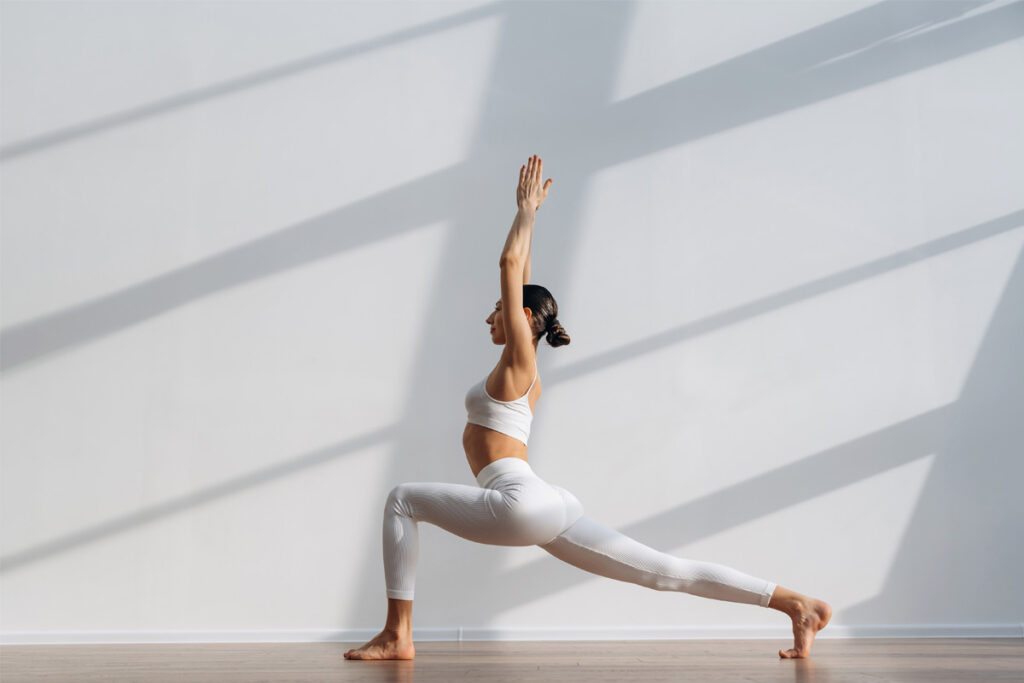
Yoga is an exceptional tool for athletes specifically because it cultivates flexibility in a way that directly benefits athletic performance. Here’s how:
- Increased Range of Motion: Dynamic yoga poses systematically guide your joints through their full potential range of motion. Over time, this practice unlocks greater flexibility and mobility, allowing for more efficient and unrestricted athletic movements.
- Muscle Lengthening and Strengthening: Yoga goes beyond simple stretching. It combines static holds with dynamic movements that effectively lengthen muscles while simultaneously building strength, promoting functional flexibility that directly benefits athletic performance.
- Improved Joint Health: Yoga supports joint health by lubricating joints, easing stiffness, and strengthening the muscles surrounding them. This leads to healthier, more resilient joints, reducing pain and enhancing your athletic longevity.
- Core Strength: A powerful core is the foundation for generating athletic power and maintaining stability. Many yoga poses deeply engage your core muscles, improving balance, coordination, and overall athletic performance.
- Breathwork (Pranayama): Yoga teaches breathing techniques (pranayama) that optimize oxygen intake, boosting your stamina and endurance during intense physical exertion, maximizing your athletic potential.
- Focus and Concentration: The meditative aspect of yoga promotes mental focus, enhances decision-making skills, and improves your ability to perform under pressure, giving you a crucial competitive advantage.
- Reduced Muscle Soreness: Yoga poses designed to promote circulation and gentle stretching help alleviate post-workout muscle soreness, accelerating your recovery process so you can train harder and bounce back faster.
Tips for Integrating Yoga into Training

Ready to make yoga your athletic superpower? Here are some tips to maximize its benefits:
- Ease In: Start with beginner-friendly yoga classes or online videos designed for your fitness level. Focus on learning proper form with modifications if needed, listening to your body’s feedback, and avoiding pushing yourself beyond safe limits — pain is a stop sign!
- Consistency is Key: Consistency in practice is more important than the intensity of any single session. Aim for 2-3 dedicated yoga sessions per week. Even short practices regularly will lead to greater flexibility gains and long-term improvement compared to sporadic, intense workouts.
- Target Your Needs: Choose poses or a yoga style that addresses the common range-of-motion demands of your specific sport or targets areas where you’re prone to tightness. A qualified yoga instructor can personalize a plan that complements your training while minimizing injury risk.
- Post-Workout Yoga: Yoga is a great way to actively cool down and recover after workouts. Dedicate even 10-15 minutes post-training to specific stretches for muscle groups you heavily used, helping to improve flexibility while reducing next-day soreness.
- Focus on Breath: Remember the power of controlled breathing. Integrate yogic breathing techniques (like Ujjayi breath) during workouts for sustained energy or calming, focused breaths before competition to manage performance anxiety.
- Rest and Listen: Honour your body’s need for rest days — flexibility work is still a form of training. Trying to force progress when you’re overly sore can backfire. Listen to your body’s signals and adjust your yoga practice accordingly for a sustainable routine.
- Find a Style That Fits: Explore different yoga styles (Hatha, Vinyasa, Yin, Restorative) to find what resonates with you personally and best supports your athletic goals. There’s no one-size-fits-all in yoga!
Flexibility isn’t just about being able to touch your toes. It’s a crucial element of athletic potential that can significantly elevate your performance, reduce injury, and speed up recovery. Integrating yoga into your training routine is a proactive way to take ownership of your athletic development.
If you’re ready to unlock the flexibility that boosts your athletic prowess, Nicole’s Zen Den offers customized yoga programs tailored specifically for athletes. We understand the unique demands of your sport and can help you achieve your goals both on and off the field. Contact us at info@nicoleszenden.com and get started on your flexibility journey today!